








Date Published: November 2, 2026
Starting a business is exciting, but let's be honest, it can get expensive really quickly. Between business registration, software, equipment, a domain, a website, marketing, and everything else, your budget can disappear before you've even made your first sale.
Then someone tells you that you also need a professional logo, brand colors, business cards, professional photos, social media templates, packaging, and a brand guide.
Suddenly you're thinking, Okay, so how exactly am I supposed to pay for all of this?

Take a breath. You don't need everything right away.
Branding is important. Obviously, I'm a brand designer, so I'm a little biased there. But I don't believe small businesses should spend money on things they don't actually need yet.
Your branding should work with your budget, not completely blow it.
You are allowed to start small. Your business is going to change. Your services might change, your ideal customer might change, and you might discover that the thing you thought would work really well... doesn't. That's okay.
You don't need your entire brand figured out before you make your first sale. If you're still testing your idea, focus on what you actually need to get started. That might be a simple visual identity, a basic website, and a clear way for people to contact you.
You probably don't need 40 social media templates and 500 branded stickers just yet. The goal is to get your business moving.

If you're ready to invest in your brand, focus on the things you'll actually use.
Your logo is important, but your logo is not your entire brand.
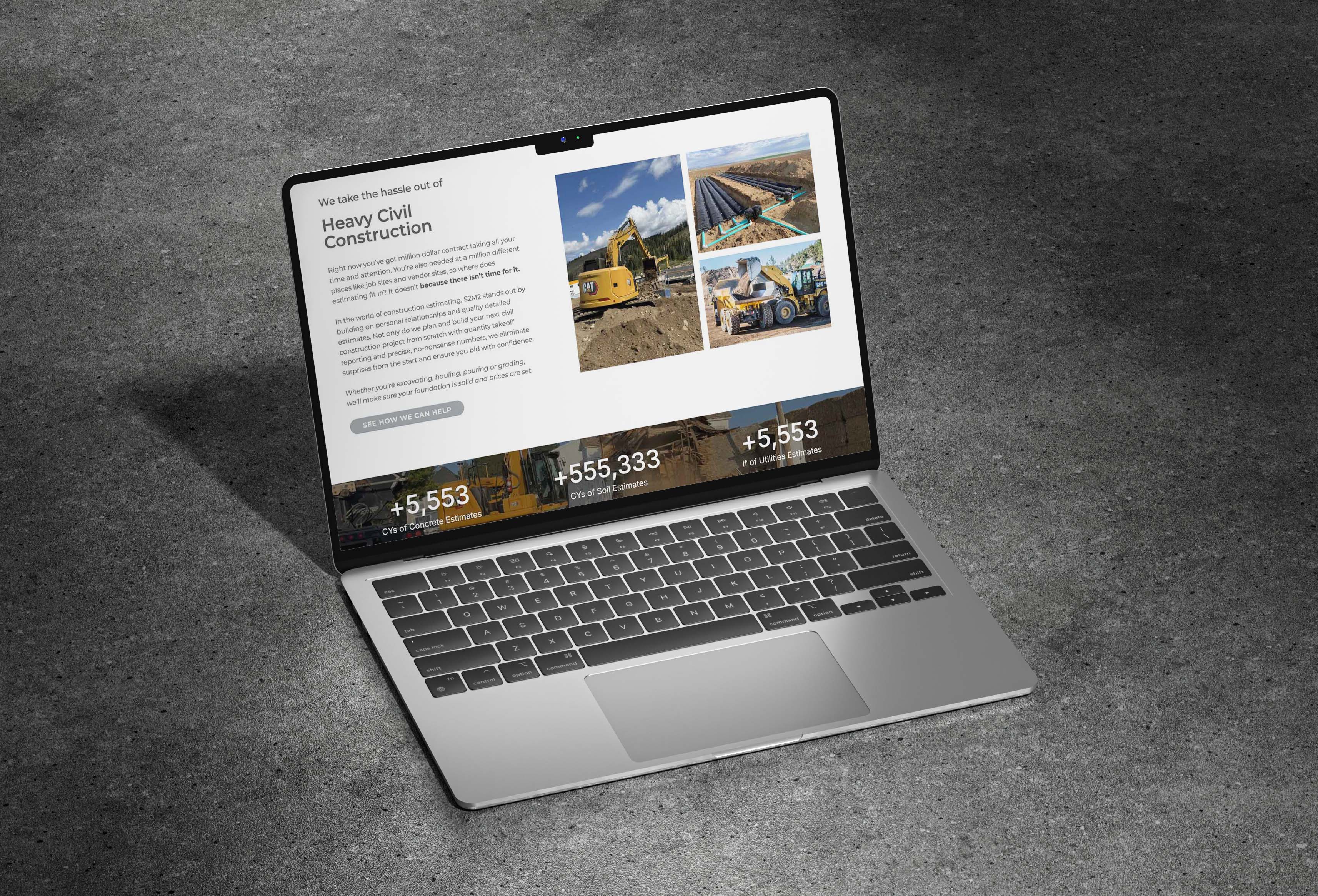
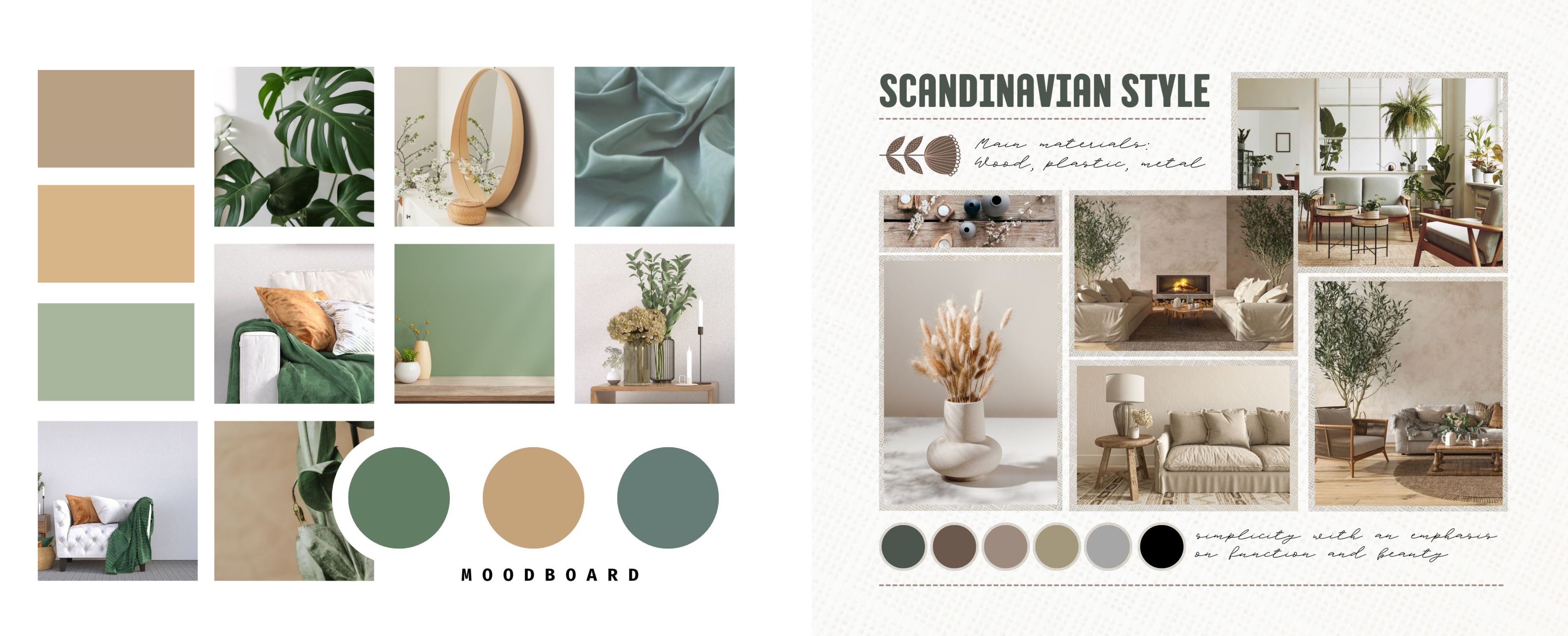
A good visual identity gives you more to work with. Your logo variations, colors, fonts, imagery, and supporting graphics should all feel like they belong to the same business.
You don't need every possible brand asset, but you do want something you can use consistently across your website, social media, business cards, proposals, and marketing.
When your brand feels connected, people are more likely to recognize and remember it.
Your website doesn't need to be huge or packed with fancy features.
It needs to answer the questions your customers are asking: What do you do? Who do you help? Can I trust you? How do I work with you?
Five thoughtful pages can be much more useful than 15 pages full of information nobody needs.
Your website should make sense for your business and your customers, not just look trendy.

If you're the person behind your business, people want to see you. Not because you need to look perfect, but because you're a real person.
A few good photos of you, your workspace, your products, or your process can make your brand feel much more personal.
You don't need hundreds of images. You need the right photos.
And yes, stock photography can absolutely work when it's chosen thoughtfully. Just make sure it actually feels like your business.

Your brand isn't just how you look. It's how you sound.
You can have a beautiful website, but if visitors don't understand what you do or who you help, the design isn't doing enough.
And please don't feel like you have to sound corporate just because you're running a business.
If your business is fun, let it be fun. If you're approachable, sound approachable.
Let your personality show up in your brand.
There are a LOT of fun things you can put your logo on, but not all of them need to happen right away.
Branded merchandise is a great example. Tote bags, stickers, tumblers, T-shirts, and pens are fun, but if you haven't booked your first client yet, you probably don't need 200 tote bags sitting in your office.
The same goes for social media templates. You don't need a template for every possible post you might create someday. Start with the content you actually share and create a few flexible templates you can reuse.
And custom everything? Custom illustrations, icons, packaging, stationery... all fun, but not necessarily urgent.
Before spending money, ask yourself, "Is this actually helping my business?"
If the answer is "not really, but it would look cool," it can probably wait.
One common mistake is choosing the cheapest logo possible. I completely understand having a small budget, but sometimes a $50 logo gets you exactly what you paid for: a file, not a brand.
You may end up needing alternate versions, better files, or a completely new identity a few months later. Saving money upfront doesn't always mean spending less in the long run.
Another mistake is rebranding every time you get bored with your current look.
I love a good rebrand, but your brand needs time to work. People need time to recognize it and remember it. If your business has changed or your current brand no longer represents where you're going, that's different.
But if you're just tired of looking at your logo?
Maybe give it another minute.
The biggest mistake, though, might be buying everything in the wrong order.
You build a huge website before you know what you're actually offering. You print hundreds of business cards while you're second-guessing your logo. You invest in packaging before you really understand your customers.
The problem isn't always what you bought. It's when you bought it.

If you're working with a smaller budget, keep it simple.
Get clear on what you offer, who you help, and what you want your business to be known for. Create a visual identity you can actually use. Build a website that makes it easy for people to understand your business and take the next step.
Get a few good photos. Show up consistently. Let people start recognizing you.
Then build from there. You don't have to create the final version of your business on day one.
Before you add another branding expense to your list, take a minute and think about whether you actually need it right now. Do you know who you're trying to reach? Do you know what you want your business to feel like? Are you still figuring things out?
Most importantly, ask yourself:
"Will this help me attract clients, make sales, build trust, or make my business easier to run?"
If the answer is yes, great. If the answer is no, maybe it can wait.

Your business is going to change. You're going to learn things, figure out what your customers want, and probably change your mind a few times along the way.
That's part of owning a business.
Good branding isn't about checking every box or buying every branded thing you can find. It's about creating something that helps people understand your business, remember you, and trust you.
You don't need all the things.
You need the right things for where your business is right now.
And when you're ready for the next step, you can build from there.
That's okay. You don't have to come to me with your brand completely figured out. That's part of what I help with.
If you're somewhere between "I know my brand needs help" and "I have absolutely no idea what I need," let's talk.
We can figure out what's working, what's not, and where your money would actually be best spent.
Because your brand should do more than look pretty. It should work for your business.


