









Date Published: November 2, 2026
Finding a web designer can feel like a lot.
You start searching online and suddenly you're looking at dozens of portfolios, wildly different prices, different platforms, and a whole lot of people saying they can build you the perfect website.
So how are you supposed to know who is actually a good fit?
And more importantly, how do you avoid spending a bunch of money on a website that doesn't really work for your business?
The good news is that you don't have to be a web design expert to find the right designer. You just need to know what to look for and what questions to ask.

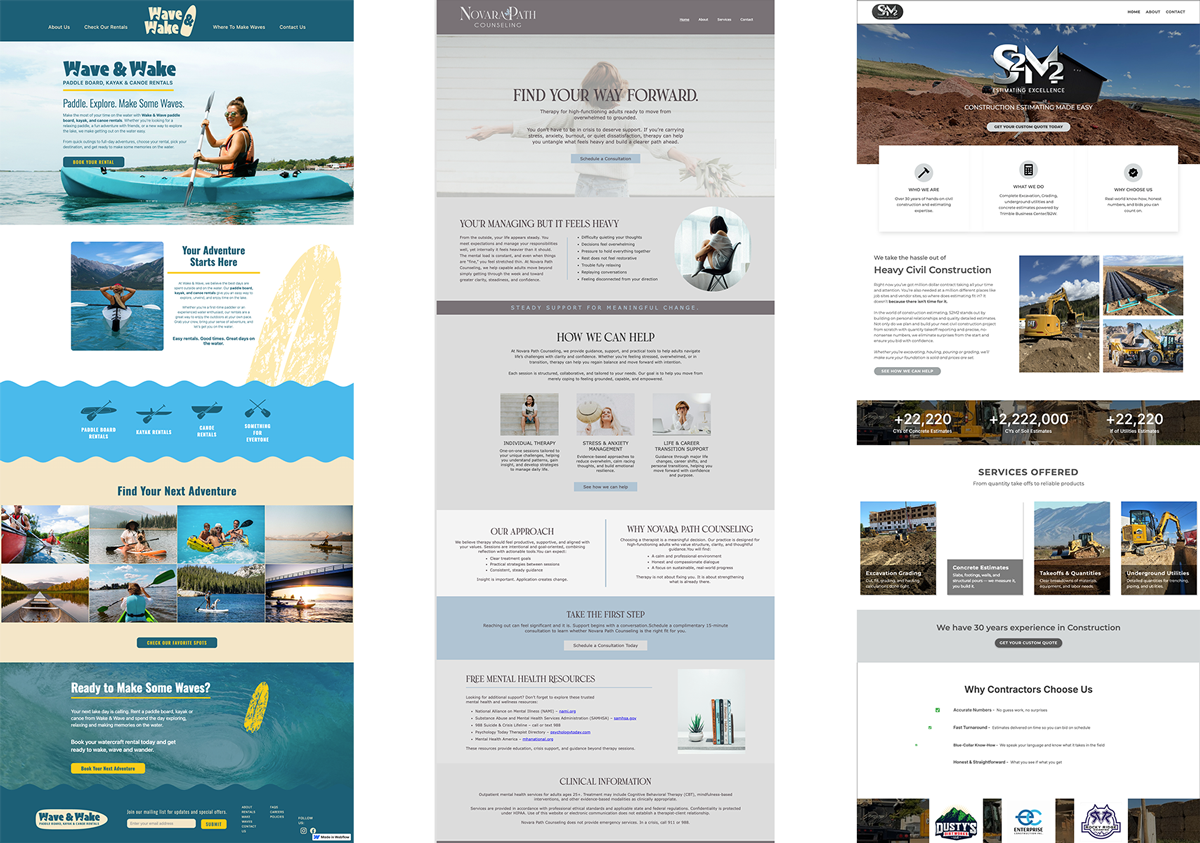
The portfolio is probably the first place you'll look, but don't just scroll through and think, "That's pretty." Look a little closer.
When you're looking through someone's work, pay attention to things like:
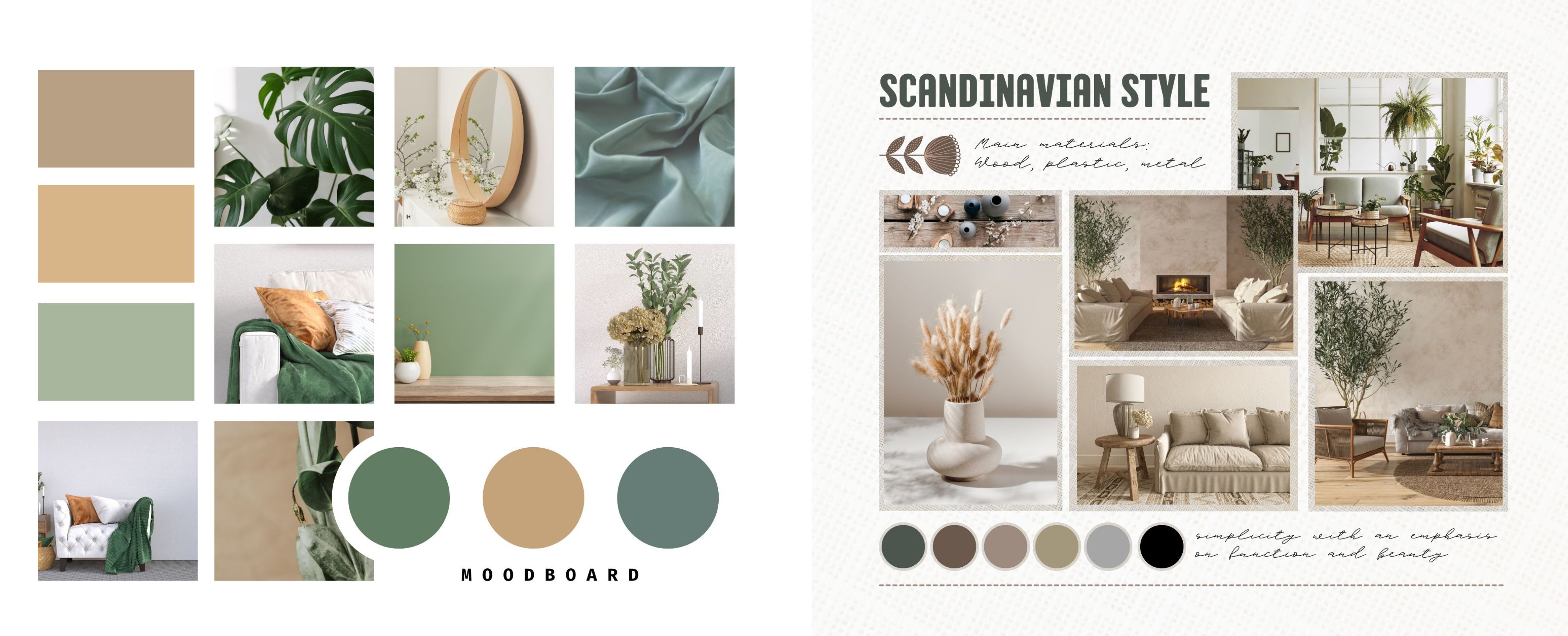
Also, pay attention to the projects that make you stop scrolling. Maybe you love the colors in one project or the layout of another. Those details can help you figure out what you want for your own website.
And don't forget about testimonials. Beautiful work is great, but it's even better when the clients behind that work were happy with the experience.
Before you sign anything, make sure you understand what working with the designer will actually look like.
A good designer should be able to explain their process without making you feel like you're asking a million questions.
Some questions worth asking are:
These questions can save you from a lot of surprises later.
For example, if you don't enjoy writing, you'll want to know whether you're expected to provide all of your website copy. If you aren't comfortable making website updates yourself, you'll want to know what support is available after launch.
You don't need to understand all the technical details. You just need to know what you're getting and what your responsibilities will be.
There are a few things I'd pay attention to when you're comparing designers.
A price that seems unbelievably low isn't automatically bad, but make sure you understand what's included. Sometimes a very inexpensive website means you're getting a template with very little strategy or customization.
I'd also be cautious if a designer doesn't ask many questions about your business. Your website should have a purpose, so your designer should want to understand your goals, your customers, and what you want people to do when they visit your site.
A vague revision policy is another thing to watch for. "Unlimited revisions" might sound amazing, but I actually prefer having a clear number of revision rounds. It gives everyone a better understanding of what the project includes and helps keep things moving.
And please make sure there's a contract. It protects both you and your designer and makes sure everyone understands the timeline, payment, scope, and responsibilities.
This might sound obvious, but you're going to spend a decent amount of time communicating with your web designer.
You should feel comfortable asking questions, sharing ideas, giving feedback, and saying when something isn't working for you.
Your designer should also want to understand more than just your preferred colors. They should care about your business, your customers, your personality, and what makes you different.
The best websites aren't just technically good. They feel like the business they were designed for.
That's why I think the relationship matters just as much as the portfolio.
You don't have to become best friends with your designer, but you should feel like you're working with someone who actually gets you.
Finding the right web designer isn't just about finding someone who can make a pretty website.
You want someone who listens, communicates clearly, has a process, and cares about creating something that actually works for your business.
You don't need to know everything about web design before you hire someone. That's their job.
You just need to find someone you trust to take your ideas, understand your business, and turn them into a website that helps you move forward.
If you're somewhere between "I know my website needs help" and "I have absolutely no idea where to start," that's okay.
You don't have to have everything figured out before reaching out to me. We can talk about what's working, what's not, what your business needs, and what kind of website would actually make sense for you.
Because your website shouldn't just sit there looking pretty.
It should work for your business.
[Let's talk about your website →]


